
Atlantic Salmon
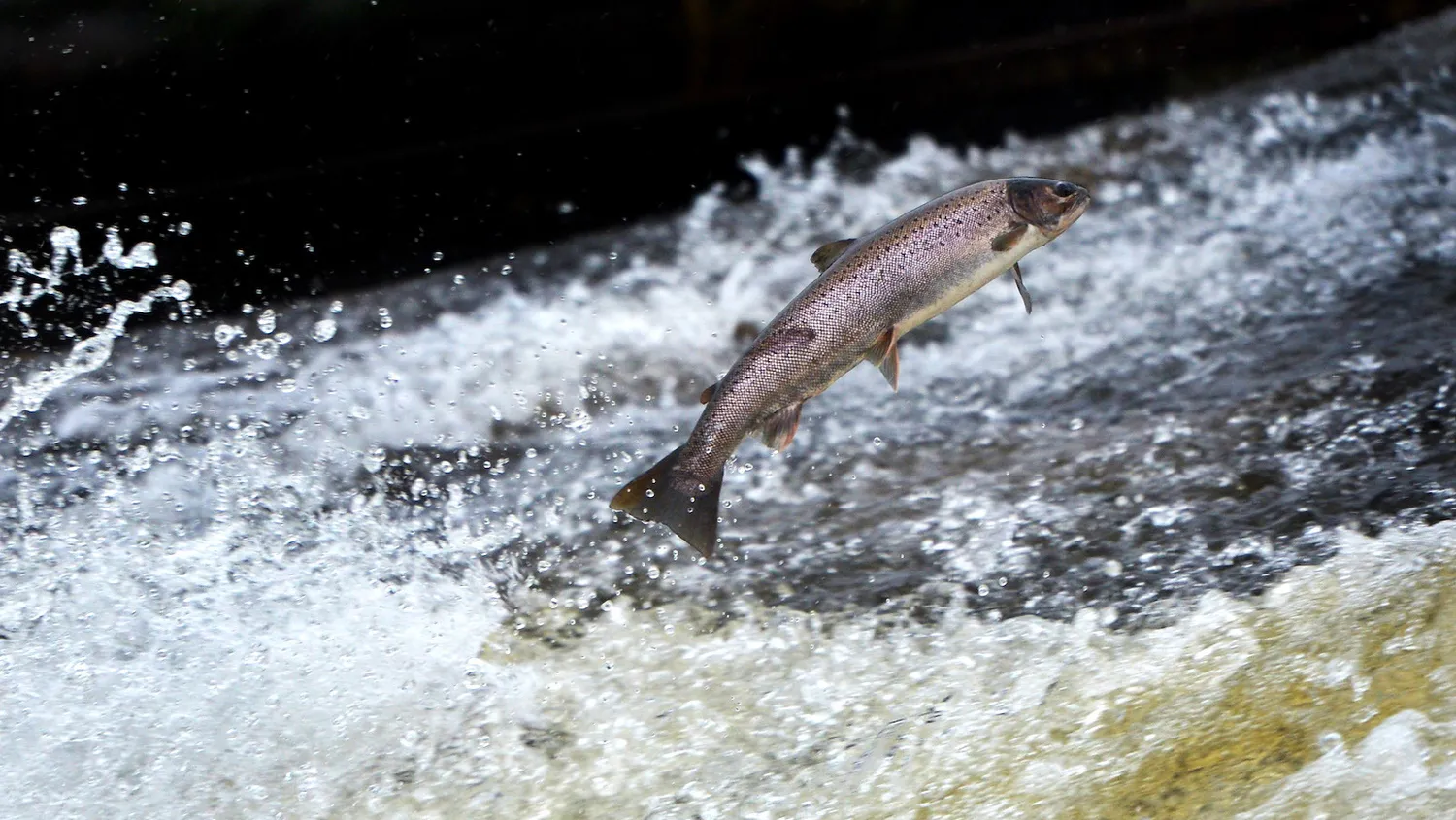
Atlantic Salmon (Salmo salar)
The Atlantic salmon (Salmo salar) is one of the most remarkable animals Britain has ever produced — a creature of two worlds, born in the cold, clear headwaters of upland rivers, drawn by instinct across thousands of miles of open ocean, and compelled by a force older than memory to return, against every obstacle, to the very stream where its life began. That journey is one of the great feats of the natural world, and it matters far beyond the salmon itself. As they move upstream, salmon carry with them the nutrients of the ocean — nitrogen, phosphorus, and marine minerals deposited in river gravels and surrounding soils when they spawn and die, feeding riverbank vegetation, invertebrates, otters, ospreys, and eagles in a continuous cycle of marine and freshwater exchange. Their presence in a river is a mark of exceptional water quality and ecological integrity — clean, well-oxygenated, free-flowing water with intact gravel beds and unobstructed passage from sea to source. Yet Atlantic salmon are in serious decline across the UK, threatened by warming rivers, agricultural run-off, hydroelectric barriers, and the degradation of the upland catchments they depend upon. To restore salmon to Britain's rivers is to restore the rivers themselves — and all the life those rivers support. Five iconic species. One island. All worth fighting for.